
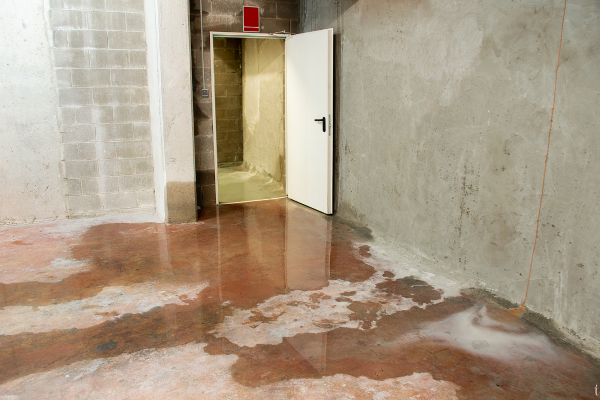
If your basement has felt damp, smelled musty, or had a little water show up here and there this summer, you are not alone. Between the rainy spring and the humidity that’s followed all summer, a lot of us have gotten a crash course in how our homes handle moisture.
Here’s what’s actually causing it, what to check this weekend, and when it’s worth calling a pro…of course I have one for you if needed!
The Good News: It's Rarely a Foundation Problem
I know “wet basement” makes people jump straight to the scary stuff, cracked foundation, structural failure. Take a breath. Most wet and damp basements come down to humidity and drainage, not structural issues. Basements run cooler than the rest of the house, so moisture in the air condenses down there, and a rainy stretch keeps that moisture high for weeks at a time. Add in a downspout or grading issue, and you get everything from a musty smell to the occasional damp spot.
The Usual Suspects
- Humidity and poor airflow. Basements don’t get the circulation the rest of the house does, so summer humidity just sits there, especially in a finished space with carpet or drywall.
- Gutters and downspouts. If they empty close to the foundation, that water (or moisture) seeps right into the soil against your basement walls instead of draining away.
- Grading. The ground should slope away from your foundation. Mulch beds and settling soil often flatten that slope over time, which sends water right back toward the house.
- Window wells. These need their own drainage. A well that holds water is a steady moisture source right next to your foundation.
- Small cracks and joints. Common, usually not structural, but they’re exactly where moisture sneaks through when the soil outside stays saturated.
Check This Weekend
- Grab a cheap hygrometer ($10 to $15) and see what your basement is sitting at. Above 55 percent humidity is when things start feeling musty, above 60 you’re in mold territory.
- Check where your downspouts empty. Less than 4 to 6 feet from the foundation is a problem. Extensions are cheap and one of the highest-impact fixes out there.
- Eyeball the grading around your foundation. Does it slope away from the house or toward it?
- Peek in your window wells for standing water or blocked drainage.
DIY vs. Call a Pro
Usually a quick fix: running a dehumidifier, clearing clogged gutters, adding downspout extensions, fixing minor grading, improving airflow with a small vent fan.
Call a professional if: humidity stays high even with a dehumidifier running, you see visible mold, cracks are widening or diagonal, there’s actual standing water, or you notice any bowing or leaning in the foundation walls.
The Bottom Line
Most wet and damp basements come down to humidity and drainage, not a structural problem. A dehumidifier plus some attention to your gutters and grading solves the majority of cases. If you’ve done all that and it’s still an issue, or you’re seeing mold, cracks, or bowing, that’s when it’s time to bring in a professional.
If you have more worry about this or think it’s time to call in that professional, I have a great waterproofing expert I can point you to. Just give me a call! (913) 707-1705
