It feels like everyone is in cost-cutting mode right now, and the winter utility bill is one of the few household expenses you can actually do something about. The good news is that the things that make the biggest difference are mostly small, boring, and cheap. (My favorite kind of home project.)
Here’s where I’d start, in order of effort.
Free Fixes You Can Do Tonight
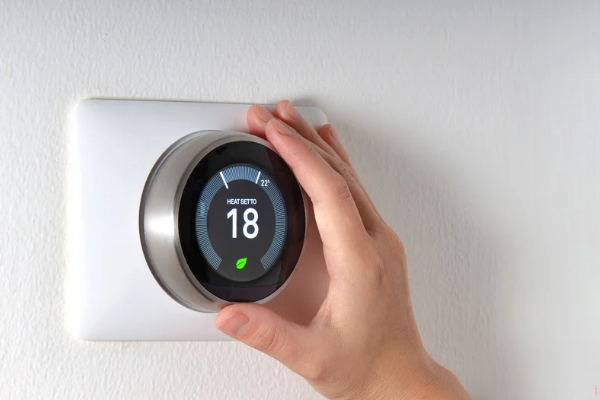
Turn the thermostat down when you’re asleep or gone. The U.S. Department of Energy says setting it back 7 to 10 degrees for 8 hours a day can save up to 10% a year on heating and cooling. If you have a programmable or smart thermostat, set the schedule once and forget about it.
Check your furnace filter. A clogged filter makes your furnace work harder to push air through. Pull it out, hold it up to the light, and if you can’t see through it, swap it. Most homes need a new one every one to three months in heating season.
Turn your water heater down to 120 degrees. Many are set to 140 from the factory, which wastes heat keeping water hotter than you need. ENERGY STAR recommends 120.
Open the curtains on sunny days, close them at night. South-facing windows are free heat during the day. After dark, closed curtains help hold it in.
Flip your ceiling fans. Most have a small switch on the housing. Running clockwise on low pushes the warm air that collects at the ceiling back down into the room.
Make sure your vents aren’t blocked. A couch or rug over a register means you’re paying to heat the underside of your furniture.
Weekend Fixes for Under $50
Heating and cooling make up almost half of a typical home’s energy bill, and a lot of that heat sneaks out through gaps you can seal yourself. A lot of us around here live in older homes with plenty of character and plenty of drafts, so this is where a Saturday afternoon really pays off.
- Weatherstrip exterior doors. If you can see daylight around a closed door, air is moving through it.
- Add a door sweep. The gap at the bottom of the door is usually the worst offender.
- Caulk around window and door trim. Look for cracked or missing caulk on the outside, and gaps where trim meets the wall on the inside.
- Put foam gaskets behind outlet and switch covers on exterior walls. They cost a few dollars for a pack and take a screwdriver.
- Seal the attic hatch. A strip of weatherstripping around the opening keeps warm air from rising straight into the attic.
- Use window film on drafty single-pane windows. Not glamorous, but it works, and it comes off in the spring.
- Swap any remaining old bulbs for LEDs. They use up to 75% less energy, and we have the lights on a lot more this time of year.
An easy way to find leaks: on a windy day, hold a lit stick of incense (or just a damp hand) near windows, doors, and outlets. Wherever the smoke moves, you’ve found one.
When It's Worth Calling a Pro
Get your furnace tuned up. An annual checkup keeps it running efficiently and catches small problems before they turn into a no-heat call in January, when everyone else is calling too.
Have your attic insulation checked. This is the big one. The EPA estimates that air sealing and adding insulation saves homeowners an average of 15% on heating and cooling costs. If you can see the tops of your ceiling joists in the attic, you probably need more.
Ask about duct sealing. Leaky ducts in a basement or crawl space send heated air to places nobody lives.
Don't Leave Money on the Table
Spire rebates. Spire offers rebates to Missouri customers on things like smart thermostats ($75), high-efficiency gas furnaces ($200 to $300), water heaters, and attic insulation (up to $750). Funding is limited and terms can change, so check the current details at SpireEnergy.com/rebates before you buy.
Evergy programs. Evergy has a smart thermostat program and other ways to save listed on its website. Worth a look before you buy a thermostat on your own.
Budget billing. Both Spire and Evergy offer plans that average your bill across the year. It doesn’t lower what you pay overall, but it does take the sting out of January and February.
Help with heating bills. Missouri’s Low Income Home Energy Assistance Program (LIHEAP) helps eligible households with winter heating costs. Locally, Community Action Partnership of Greater St. Joseph can help with applications.
Where to Start
If you only do three things: set a thermostat schedule, change your filter, and seal the gaps around your exterior doors. That’s an hour of your time and less than $30, and you’ll feel the difference as much as you’ll see it on the bill.
And if a project turns out to be bigger than a weekend, I’m always happy to share the names of local pros my clients have had good experiences with. Just give me a call! (913) 707-1705
